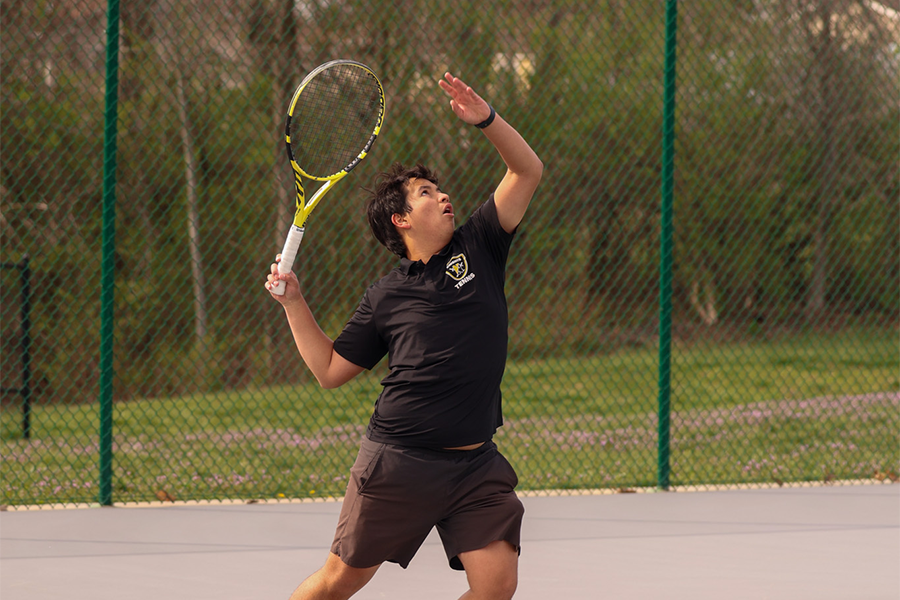
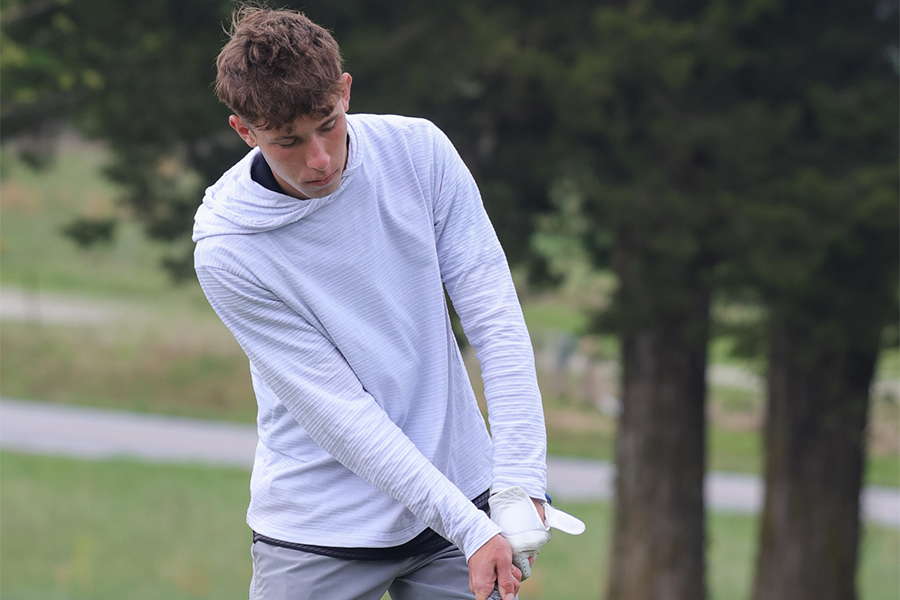
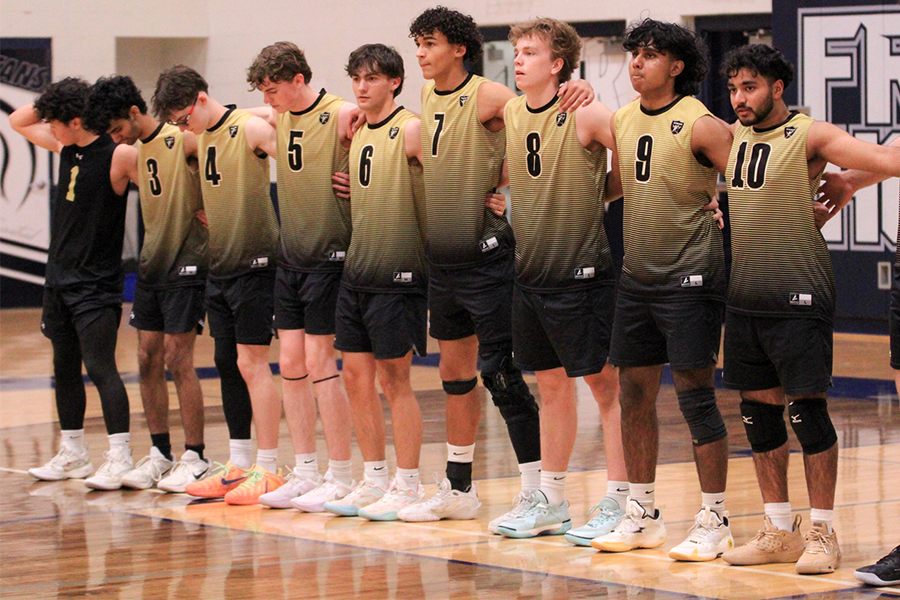
When participating in a sport, a huge part of being successful is not only being physically fit but also being mentally fit. Many athletes struggle with finding a balance between the two. But when athletes accomplish this, there are so many benefits that come along with it.
“If you’re not in the right mental state, then it kind of brings your entire game down,” senior golfer Addyson Brenner said. “You obviously need to be physically fit, but it’s mainly mental.”
A huge component that affects mental health is the pressure to win and accomplish the goals an athlete has set for themselves. Learning to accept the outcome of an event no matter how it goes, is one of the toughest things an athlete has to learn.
“After a loss I have to tell myself that I’ll do better next time,” wrestler Jordyn Hollis said. “I try harder after that and practice even more and it makes me feel better about the loss because I know I am doing everything I can.”
When finding this balance, an athlete’s mental toughness can also increase. This allows athletes to get out of their head and focus on self- confidence. Although this task is hard, being able to even acknowledge it is one step closer to success.
“I’m in my head a lot, whether it’s in a match or I didn’t feel like I did good enough in general,” Hollis said. “I do get disappointed, and sometimes it is hard to get out of my head after stuff like this happens.”
Finding ways to cope with frustration and self-doubt is a difficult challenge athletes face. For many, the key lies in creating consistent routines to decrease injury as well as being able to treat an injury effectively.
“I have back problems, so I use ice or my massage gun on it to relieve the pain,” Brenner said. “This does affect how I play sometimes, but I usually am able to push through the day and tend to it after my match.”
With recovery playing a vital role in keeping athletes healthy, it is important to use the correct recovery techniques. Physical recovery isn’t just about healing the muscles, though. It is also about keeping a positive mindset through the process.
“I don’t work my body as much as I used to,” Hollis said. “I have to take breaks more often, but it’s worth it because I am able to last the entire practice and still feel like I improved and accomplished things during that time.”
Hollis and Brenner both highlight that developing a healthy mindset can make all the difference when participating in sports. But support systems can help this be accomplished quickly.
“My biggest piece of advice is to make sure you have a good relationship with your coaches and teammates,” Brenner said. “That is one thing I always make sure I have as they help me stay calm before a match and try to be confident throughout the season.”

![Varsity Girls Soccer Loses Against St. Joe in District Finals [Photo Gallery]](https://FHNtoday.com/wp-content/uploads/2026/05/52203551-1200x800.jpg)