Local Recycling Initiatives Encourage Mindfulness of Waste Management


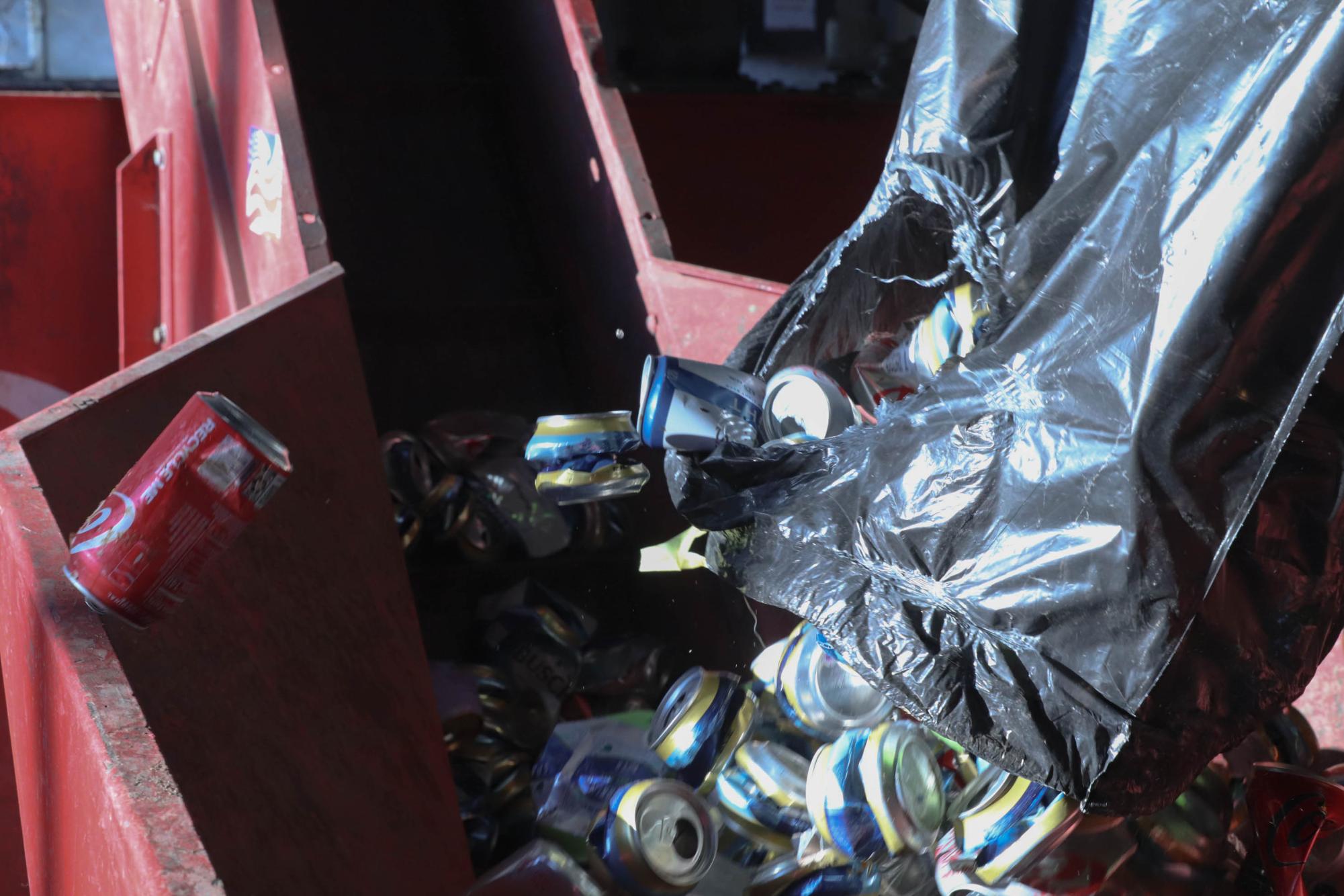
From a young age, nearly everyone is taught about recycling. Parents and educators tell their kids and students that it’s important, but they rarely give actual information on why or the full effects it can have on the environment. Kids may go on a field trip to their local recycling center or waste plant, but the information they learn might not stick, since it is often taught at such a young age. And what most might grow up to not know is that while recycling is healthy and necessary to the environment and the world we live in, it also poses negative side effects.
As most know, recycling is the process of taking items like plastic, paper or cardboard, and throwing them in a differently colored container than their usual garbage. It then gets picked up by a separate truck and taken to a plant, where it is broken down and prepped to be remade into something else. This could lead some to wonder what type of effect this has on the planet.
Recycling is a long process, most taking over a month or two to complete from start to finish. The process uses massive amounts of energy, water and chemicals, and can release harmful pollutants into the air. According to a study at Boise State University, recycling only reduces greenhouse gases by two to three percent, whereas reducing consumption can reduce emissions by up to 20 percent. This means that while recycling is effective, it has downsides, and a better way to reduce harmful materials and have less of an impact on the environment is to cut down on where it starts- consumption. And the sooner we cut down on consumption, the sooner the planet can start healing.
“Even though things don’t always look so good on a planet, you can still do more to help,” junior Katie Ayres said. “[You can] help future generations take care of the planet and everything.”
However, the benefits are real and available. Recycling leads to less waste buildup, meaning there’s no need for a mass amount of landfills. It can provide a power source, with 10 plastic bottles being enough to power a laptop for 25 hours according to the United States EPA. Recycling also lessens the need to extract natural resources such as water and minerals, creating a healthier environment for both humans and animals. There is a green initiative that comes with recycling, creating more positive impacts than negative.
“Just being in the business is a green initiative,” William Fraunholtz, an employee at SA Recycling said.
Sims Adams Recycling, or SA Recycling located in St. Charles contributes to helping the environment with recycling by focusing on taking in metals, crushing them down and reducing them into the smallest space possible to make more profit per ounce, and prevent metals from polluting the area. They take in ferrous and non-ferrous metals, which are metals that do and do not contain iron. SA Recycling can take in anything from window frames to Christmas lights and vehicles, and find ways to profit from and repurpose them.
“It’s for the good,” Fraunholtz said. “We’re constantly doing good and sustainability for our environment.”
It’s another Monday morning, waking up to the unbearable stench of sticky takeout containers and mountains of plastic in an alternate universe a few years from now. After a quick breakfast, I throw my paper bowl out the window. It falls onto the new pile for this week as I grab my backpack and head to school.
Attempting to get anywhere always takes longer than expected. Once the trash accumulated in the streets, trudging through the endless piles of it became a hassle, so no one really walks anywhere anymore. Instead, we sit in traffic for ages, annoyed as another plastic bag gets wrapped around exposed car parts and causes an accident. Instead of birds, light plastics float past the windows like flying, urbanized tumbleweeds.
The horrible smell used to be contained to the boy’s bathrooms, but now it has seeped into every corner of the school building due to the constant plumbing issues when plastic blocks sewage pipes. Everyone jokes about the microplastics and ceaseless stench giving us lung cancer, but in reality, it’s not a joke. Cases of infected lungs, asthma and cancer have all been on the rise in recent years.
We never thought it would get this terrible, or that we would tolerate it for this long. But here we are, living in the consequences of our own actions, or in this case, inaction. Since we stopped recycling, things got bad.
“Trash” has been the word of the year for, well, five years in a row now. Before that, it was “plastic,” and before that, “overconsumption.”
After the landfills overflowed, they started to fill designated sections of national parks to try to contain the multitudes of trash. It expanded from there, and wildlife suffered as species continued to go extinct.
To make up for the lack of recycled materials that created paper products, more and more trees were cut down, which made the poor air even worse.
In short, recycling kept our waste out of landfills. The less waste in landfills, the longer our planet had to catch up to our massive amounts of overconsumption. Now that we don’t recycle, the earth can’t keep up.
Looking back on just a few years ago, we all wish we would’ve said something. But putting everything in one can seemed easier. It seemed more efficient. We told ourselves it was just for a year or two, with so much happening in the world, we were increasing consistency. But now that every day is garbage day, we’d rather have recycling back.
If only we were willing to put in the effort to sustain the world we live in, instead of using it all for selfish reasons and leaving nothing but waste behind.
Your donation will support the student journalists of Francis Howell North High School. Your contribution will allow us to purchase equipment and cover our annual website hosting costs.