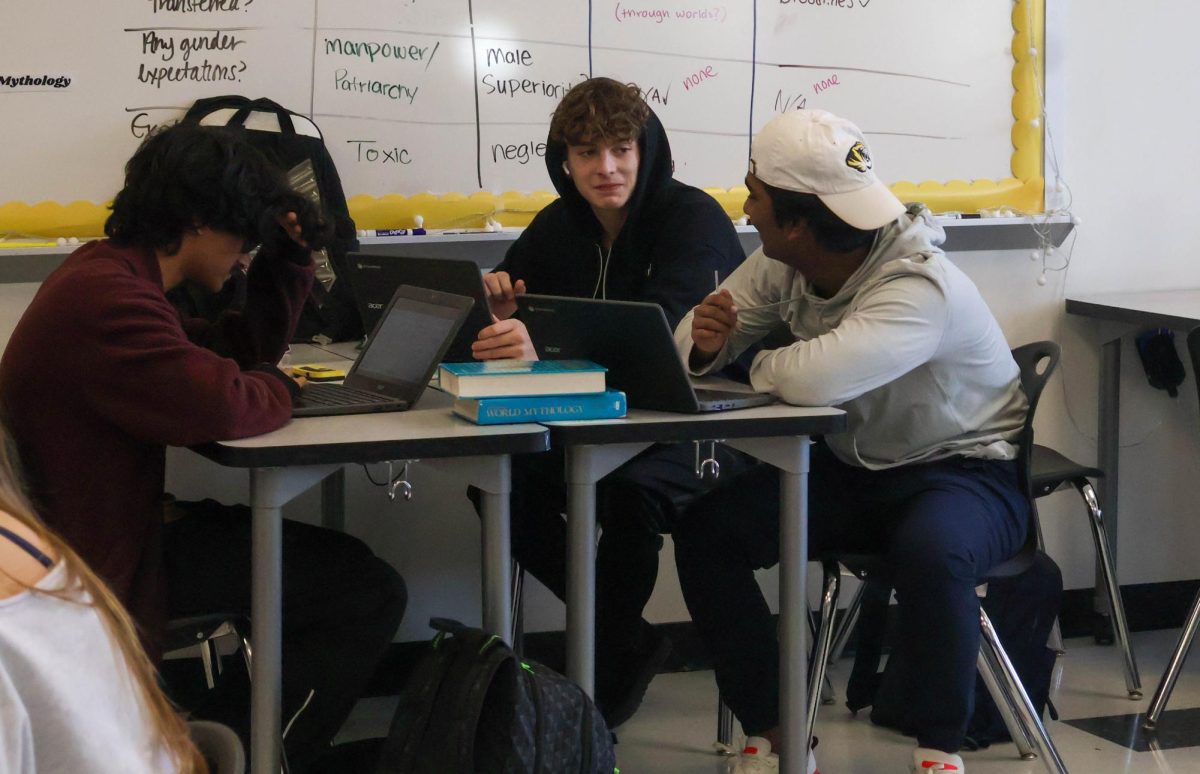
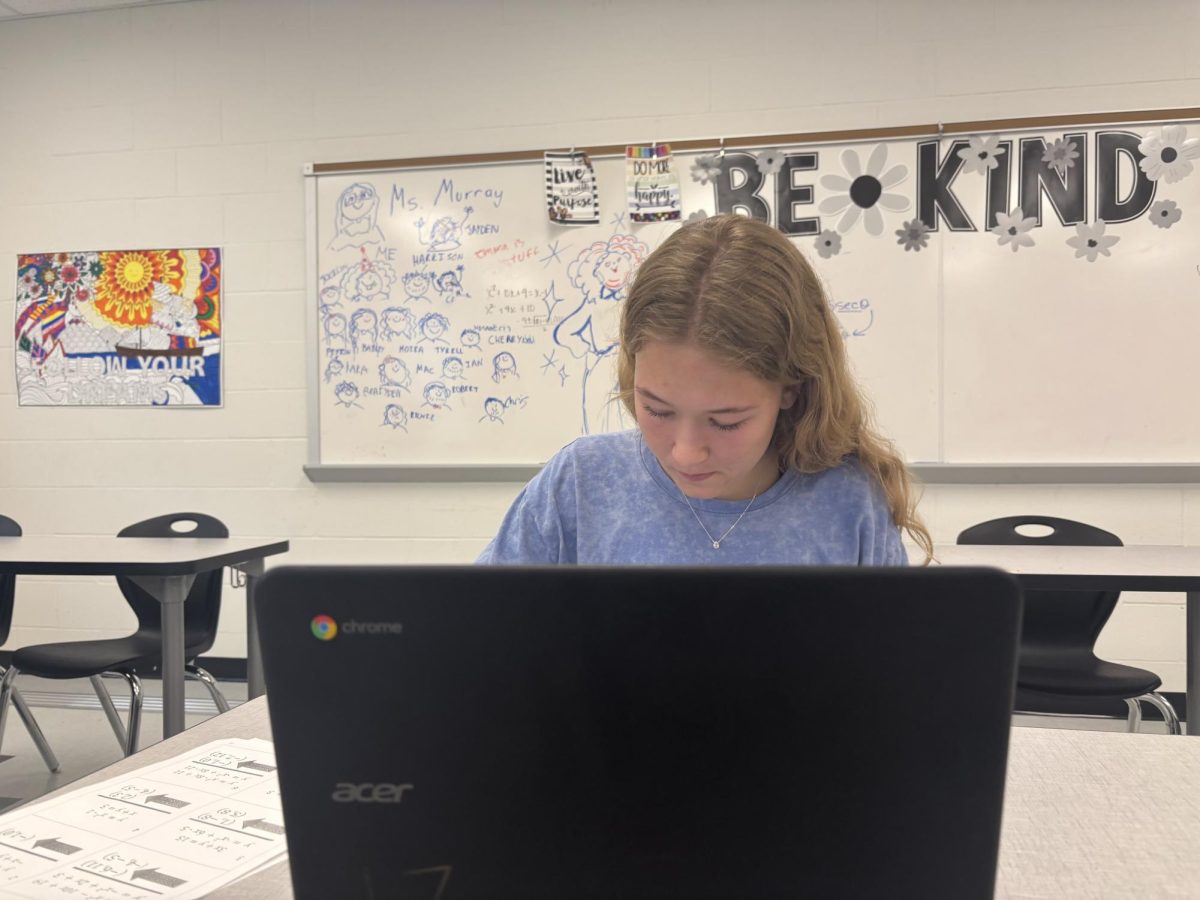
As school materials and curriculum are becoming increasingly digital, changes to student resources are being considered. FHSD will potentially be instituting a five-year plan beginning next school year to provide each individual high school student schoolwide with their own Chromebook as a way to effectively evolve into this digital age of learning.
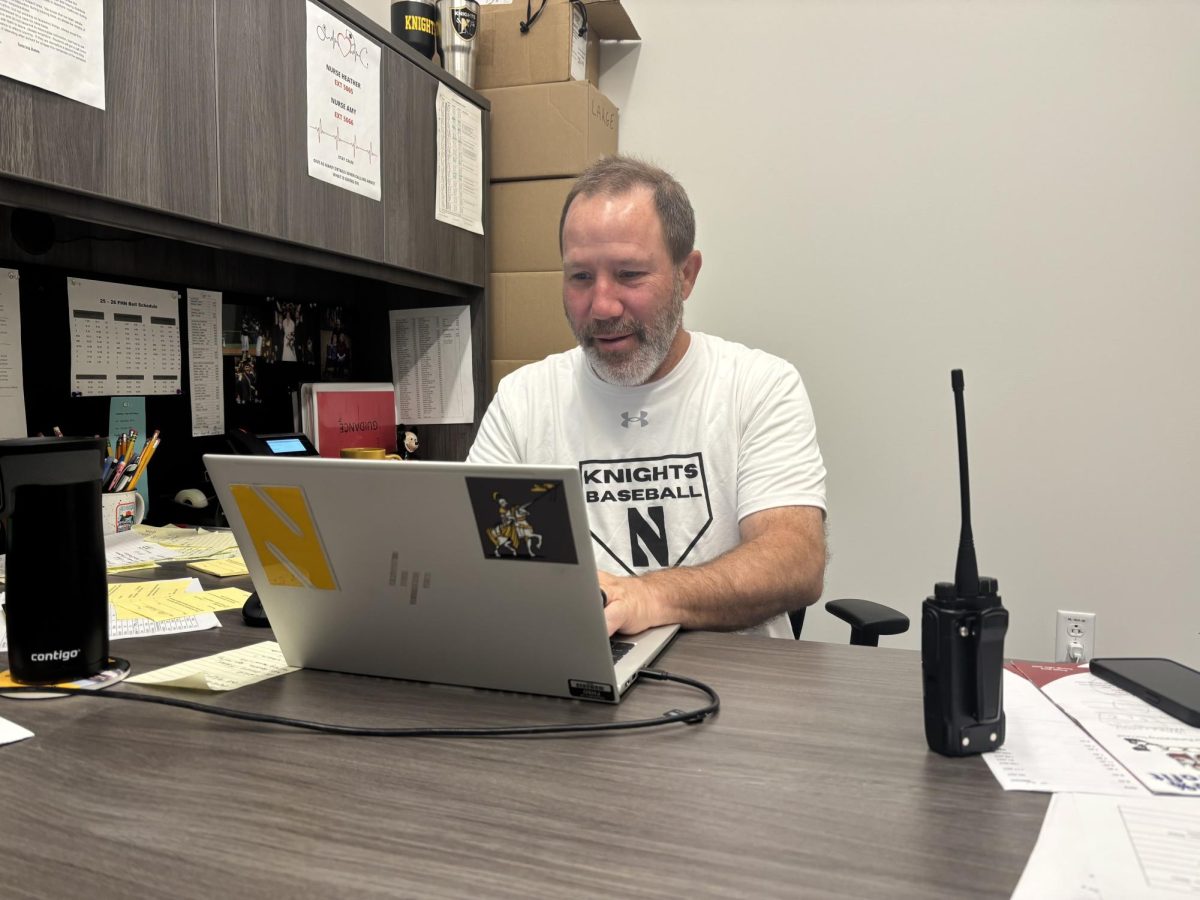
“A lot of districts around the area are 1-to-1 with devices,” Principal Jon Schultz said. “We’ve adopted materials that are online and so students are needing access at home and even in the classrooms. Instead of buying class sets of books for every student, it makes more sense to buy platforms.”
Schultz confirmed that no decision has been made, but he predicts the idea will be confirmed or denied at one of the next Board meetings, either tomorrow or April 14. This initiative would bring an opportunity for students to demonstrate responsibility with carrying and charging their own Chromebooks daily.
“I think people are going to like having access to the technology when they need it,” Schultz said. “I think they’re going to like having the same Chromebook, but it’s an added responsibility, an extra couple hundred bucks that you’re carrying in your backpack every day.”
Other local districts have conducted device distribution this way since as early as the Pattonville School District in 2012. A recent census stated that roughly 80% of high schools nationwide allow students to take devices home with them. FHSD’s delay to similar action is largely due to cost of devices. It is estimated to cost $1 million per year of the five-year plan to supply Chromebooks for each student, but the cost of class sets of Chromebooks is relatively equal to this cost, while also being inaccessible to some classes at all times. In the Feb. 19 district board meeting, Director of Technology Scott Gowan commented on the concerns with budgeting for devices.
“The million dollars per year for student devices is pretty consistent with what we’re spending on student devices as we have them,” Gowan said. “We’re actually buying more student devices per classroom now than we really need. You can have a cart of 30 and only have one class that reaches 30, and the rest of those devices are sitting idle all day long.”
Though there are many positives for providing students with their own Chromebooks, teachers have expressed concern about specificities of the measure that have gone undiscussed.
“Say there is a family that doesn’t have technology for their child because they can’t afford it, and the child gets technology from the district, then it gets destroyed or damaged,” English teacher Amy Stoker said. “Is the parent on the hook, who couldn’t afford a Chromebook in the first place? It might put a greater financial responsibility on the student than there is now.”
Despite these concerns, things are looking positive for the district.
“Having distributed devices out to secondary students in multiple districts, I’ve not done it in one that’s more prepared on the instructional technology side as Francis Howell School District is,” Gowan said.