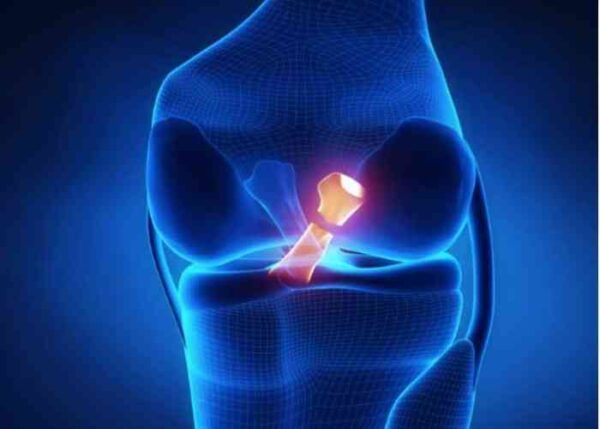
First you think it’s just a strain. Next you think it’s a fracture. Then finally, you realize it’s the extreme injury that calls for up to a year-long recovery process- a torn ACL.
“It was definitely depressing. Just laying there in bed, having to watch different shows, watch different movies, and not being able to be on the court or the field, and not playing with my team.” FHN junior Leah Fajatin said.
The ACL, (anterior cruciate ligament) is a crucial ligament located in the center of the knee. It connects the femur and tibia, providing stability and productivity of agile movements. For an athlete, tearing your ACL means going through 9-12 months of extensive recovery to get back into playing your sport. Many people don’t realise how demanding the process really is on the body and the mind.
“Returning to the athlete’s sport is definitely more psychological than physical,” said physical therapist at Axes physical therapy company Brett Shelton. “Typically, to return to the sport, you have to educate the athlete on patience. It’s gonna be nine to twelve months before you go back to your sport. When you do go back to your sport, mentally are you ready to do that… I think psychologically, and I’m talking about any injury and therapy, not just ACLs, if the patient has a positive perception that the therapy’s gonna help, it likely will. That’s a huge predictor of success in everything we do here.”
Shelton helps treat up to 20 ACL tears a year. While he helps patients heal physically, he also helps athletes build their confidence and create positive headspaces. According to Shelton, athletes who show up with dedication, drive, and a readiness to get better are proven to have a speedier recovery time.
“Honestly, every day, going to sleep, then waking up in a room that’s not even my room, because I had to move downstairs so it was easier to move around, was honestly just hard.” Said Fajatin. Fajatin, a softball and basketball player at North, has uniquely torn her ACL not just once, but twice. “Knowing that I could barely move my leg, I had to pick it up with my arms and not move it by myself. So every day it’s obviously hard, but you gotta push through, and keep going.” Fajatin said.
Like all athletes who tear their ACL, Fajatin went from dominating on the court and field, to not being able to touch either for almost up to a year. Twice. For most people and especially athletes, they would have given up. With physical therapy and a great mindset, Fajatin could take on the field and court again, and work to her goal of playing division 1 softball. To prevent reinjuries such as fajatin’s there is new technology and innovations being made.
“We have systems in place called the DorsaVi System, (Dorsi V) in which there’s electrodes we could put on someone’s quadricep.” Shelton said. We can measure the amount of ephemeral internal rotation they have, and then we can determine the likelihood of them retearing their ACL”
Returning to the field is extremely difficult after being cleared as an athlete, because of the fear of damaging the knee further. Doctors, physical therapists, and health professionals creating and using new technology and systems such as the DorsaVi system can help determine effective treatment plans that are specific to each athlete, while also addressing the common fear of reinjury. ACL tears can be career-ending for athletes who can’t move past this fear, because they aren’t as aggressive while playing, and their athleticism decreases.
“After surgery, an ACL is probably one of the most difficult things to rehab because of getting your muscles to activate how they should.” Said Kaitlyn Edison. Edison, FHN’s athletic trainer, has witnessed around 4 athletes tear their ACL’s. “Once they get to the point of activating how they should, then you may still not be cleared to run. Then, when you’re cleared to run, just because you’re cleared to run doesn’t mean you can go back to sports. Then once you get back to sport, it’s having the confidence and the mentality of like, your knee can handle this.”
Edison describes the rehabilitation course as painful, time-consuming, and vast. Athletes must relearn simple things like just being able to straighten their legs again, while also reducing swelling. They move from that to walking and knee flexion exercises, to then light strength and mobility practice. Then, finally, the athlete goes into specific cutting, pivoting, running, and more challenging strength exercises.
“I would say lean on those around you, especially your teammates, whether it’s club, or whether it’s at school.” Said Edison. Lean on your athletic trainers and on your physical therapist because it is gonna take a while, but mentally, you have to have that support.”
The physical dedication it takes to fully recover from an ACL tear is unlike any other injury. Combining this with the mental aspects of it is just double the trouble. It takes a great deal of grit and determination to surpass. Trainers and physical therapists work overtime to help athletes suffering from this injury overcome it, and families and friends offer endless support. Surrounding yourself around people who are there to help is crucial to an athlete’s recovery success. Furthermore, the athlete needs to have their own sense of endless dedication too.
“Honestly, just work really hard to come back. If you mess around and don’t take your stuff seriously, then you’re not gonna get anywhere.” Fajatin states.
“I still want to go to college to play softball, an ACL tear twice is not gonna stop me.”
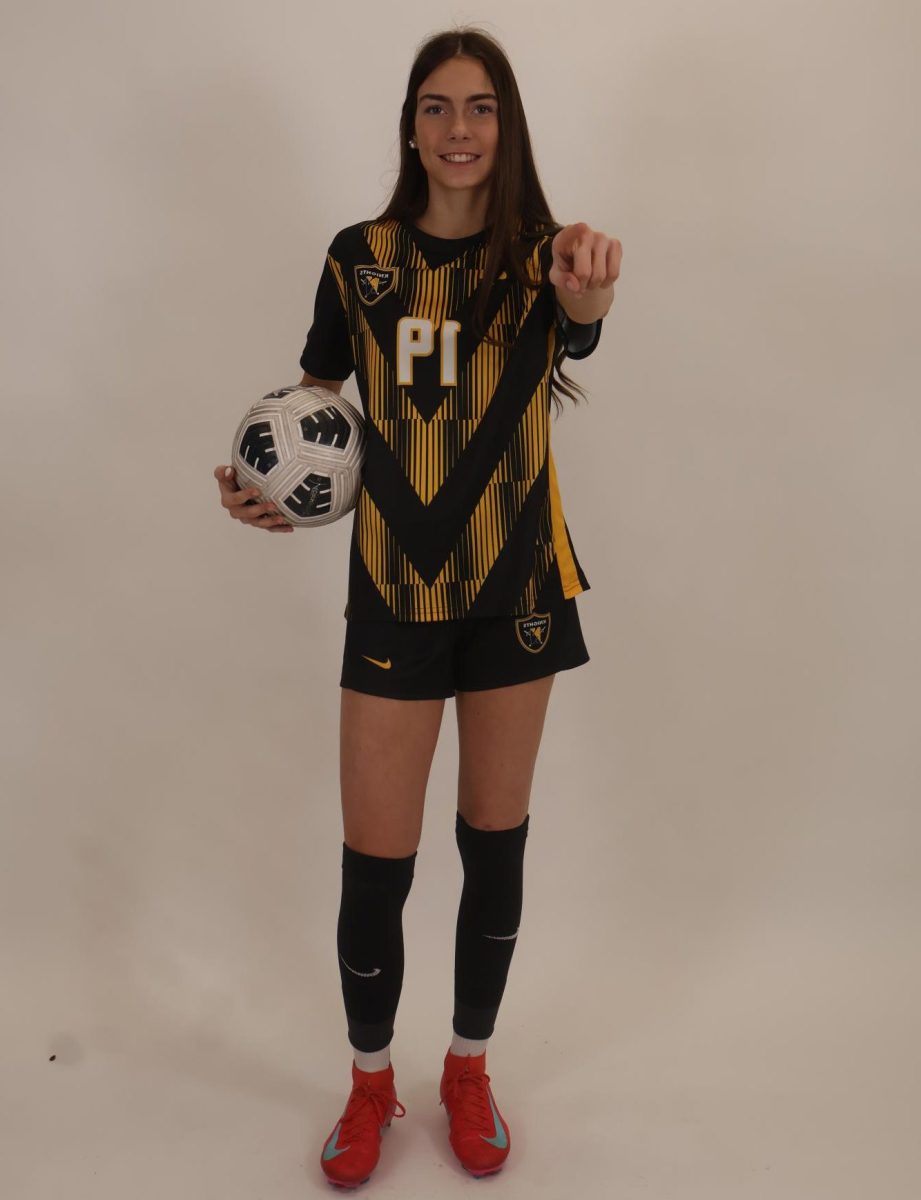
As soccer is Marena Weatherspoon’s main sport, it was a big heartbreak, tearing her ACL while playing in a C-team basketball game last year. Getting any injury as an athlete is something no one wants, especially an injury as serious as tearing your ACL. With so much passion for sports, Weatherspoon has worked to get herself back and better than before for the upcoming soccer season.
According to Weatherspoon, it takes a lot of work to come back after such an impactful injury and she said people don’t realize how hard it is to stick to the recovery plan and going to the gym everyday while seeing barely any progress.
“The process has made me not take my chances for granted and have fun with everything I do because I never know when I won’t be able to do it again,” Weatherspoon said.
Girls soccer varsity head coach Matt Havermale sees what Marena still brings to the team even though she could not play for a whole season. He got to get to know her while she was there to support the team, no matter what. According to Havermale, everyone was upset when she got injured so having her be able to come back is something everyone is looking forward to.
“She supports the team very well in terms of just lifting others up,” Havermale said. “Everyone was very upset when she got hurt. It’s a big team along with a family atmosphere, and she’s a big part of that.”
Senior Morgan Smith, who has been on the team since her freshman year, sees how much work Weatherspoon puts in to be able to come back to play. Smith knows how much her teammate loves soccer and can see the passion she has for it.
“I think the injury pushed her even harder than she had to push and ultimately made her so much better after such a big setback,” Smith said.
Throughout her recovery, Weatherspoon also learned patience, discipline,and mental toughness, qualities that are just as important as physical strength. Physical therapy sessions, rest days, and small milestones slowly rebuilt her confidence. Being around teammates during practices and games motivated her to keep going, reminding her why she fell in love with soccer and competition in the first place. She has stuck to the recovery plan and worked slowly to come back. Although this was a major setback, she’s ready to come back soon and to keep growing as an athlete.
“I would love to commit to a D1 soccer program, so giving my everything to reach and see what I can do with my full potential is something I’m really excited for,” Weatherspoon said.
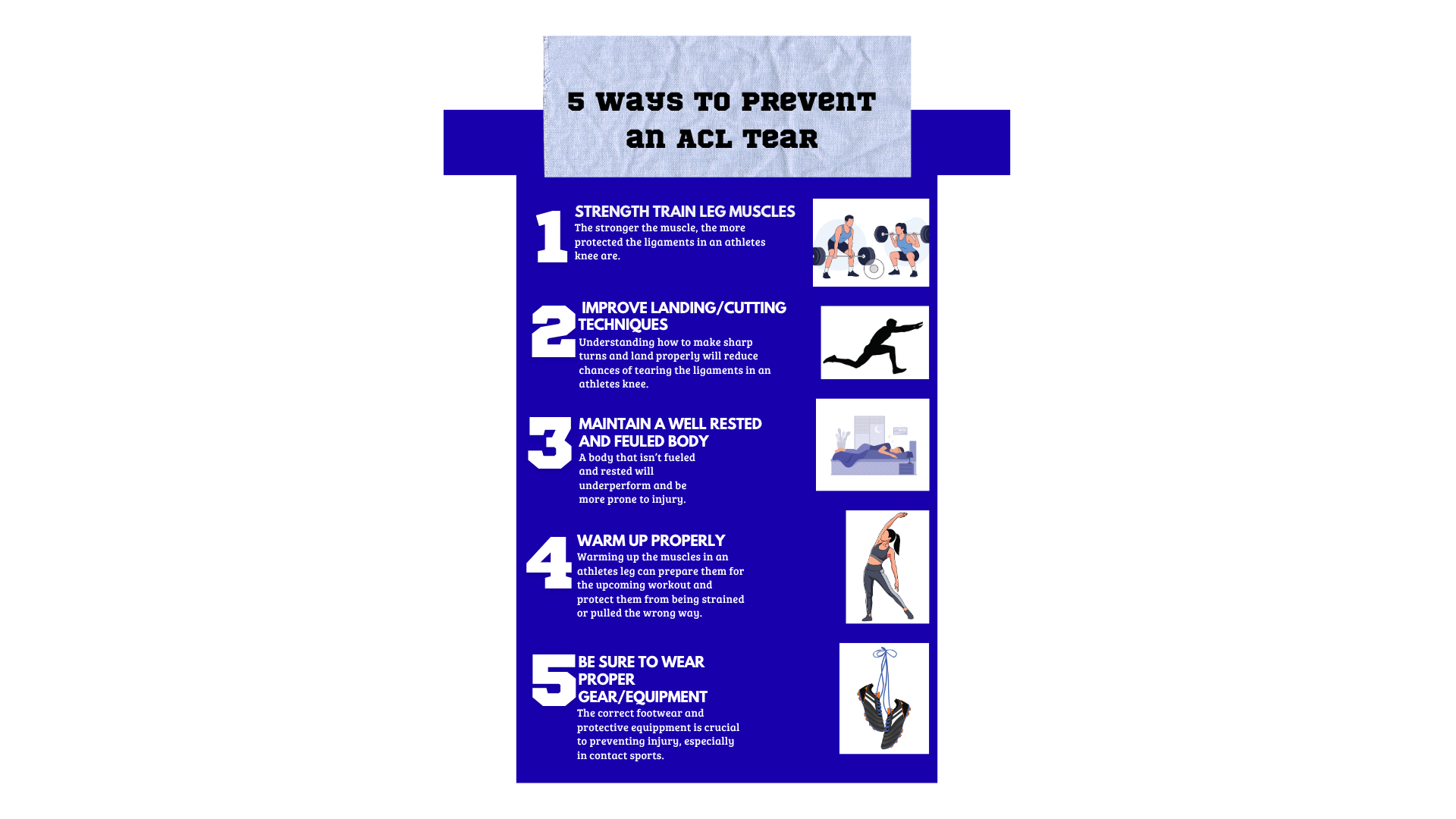
The National Athletic Trainers’ Association explains that athletes thoroughly implementing ACL prevention training programs are saving themselves from future injury and disability, as well as extremely high medical costs. Working to prevent ACL tears trains an athlete’s neuromuscular control and biomechanics, ultimately decreasing their chances of injury. The NATA recommends multicomponent injury-prevention training programs for reducing ACL injuries. These prevention programs improve balance, lower biomechanics, activate muscles, improve strength and power, and teach proper landing form.
https://pmc.ncbi.nlm.nih.gov/articles/PMC5800728/
Your donation will support the student journalists of Francis Howell North High School. Your contribution will allow us to purchase equipment and cover our annual website hosting costs.
![Varsity Girls Soccer Loses Against St. Joe in District Finals [Photo Gallery]](https://FHNtoday.com/wp-content/uploads/2026/05/52203551-1200x800.jpg)